Terpenes in Weed: What They Are, Effects and a Simple Terpenes Chart
Open a jar of cannabis flower and the first thing you notice isn’t the THC. It’s the smell. Citrusy, piney, earthy, sweet, peppery. That smell comes from terpenes, and they may shape your experience more than most people realize.
I’m Bianca, and once I learned about terpenes, labels finally started making sense to me. In this guide I’ll explain what terpenes are, how they work in weed, the most common terpenes and their effects (with an easy chart), and how to use them to pick products you’ll actually enjoy.
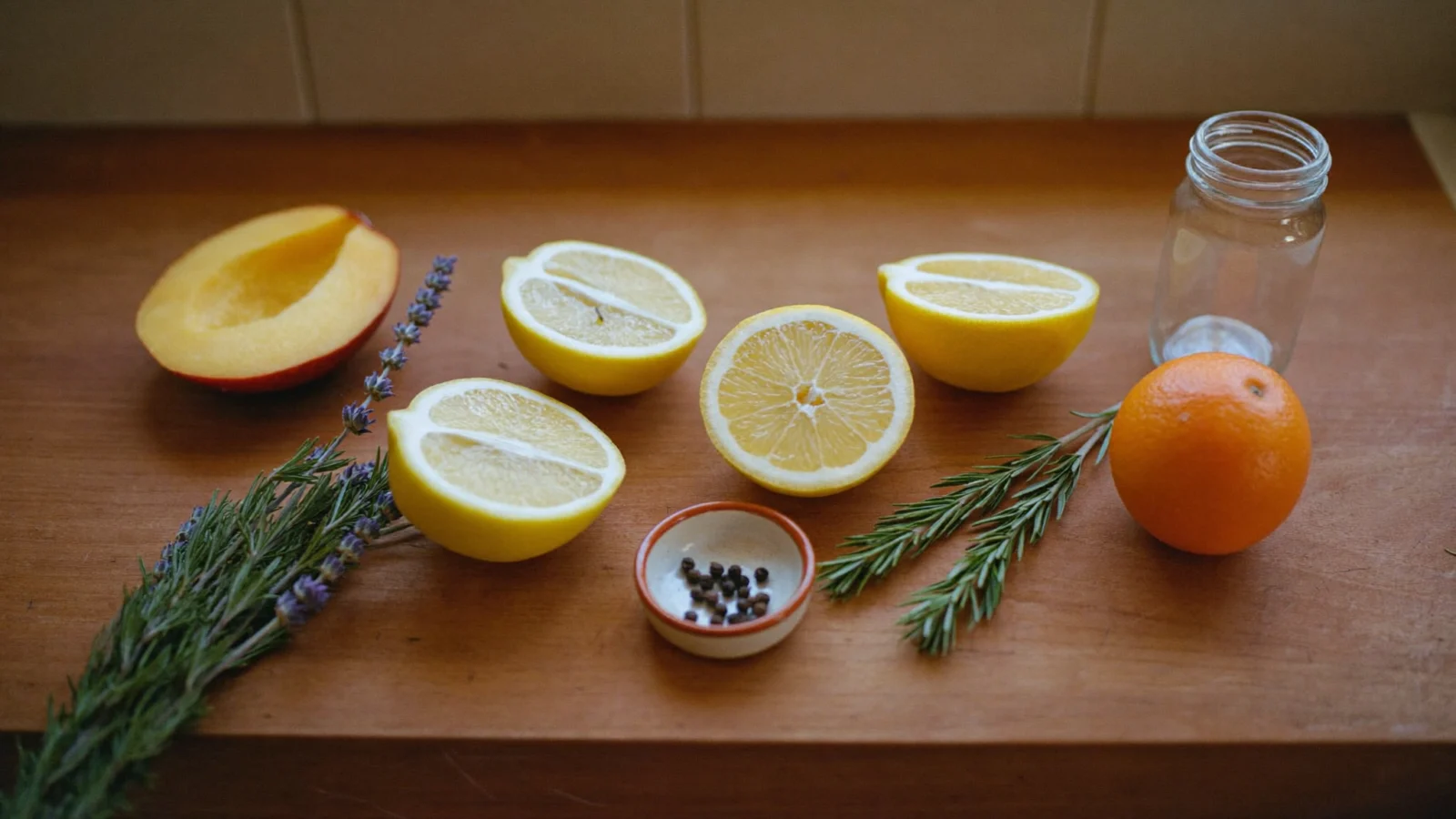
The short answer: terpenes are natural aroma compounds found in cannabis and many other plants, like lemons, lavender, pine trees, and black pepper. They give each cannabis strain its unique smell and flavor. Terpenes don’t get you high on their own, but many people believe they help shape how a strain feels, for example more relaxing or more uplifting. Research on this is still early, so think of terpenes as a helpful clue, not a guarantee.
Want to see terpenes in action? Society’s Plant’s THCA flower comes with lab reports, so you can see the cannabinoids in each batch and get to know the aroma you like.
What Are Terpenes?
Terpenes are a large family of natural compounds that plants make to protect themselves, attract pollinators, and repel pests. They’re the reason oranges smell like oranges and lavender smells like lavender.
The cannabis plant produces more than 150 different terpenes, mostly in the same tiny, sticky glands (trichomes) where it makes THC and CBD. Each strain has its own mix, often called its terpene profile. That profile is why one strain smells like lemons and another smells like a forest after rain.
What Do Terpenes Do in Weed?
In cannabis, terpenes play three main roles:
- Smell and flavor: this part is well established. Terpenes are what you smell and taste.
- Shaping the experience: many people notice that strains with similar THC levels can feel very different. Terpenes are one likely reason, though research is still catching up.
- The “entourage effect”: this is the idea that terpenes, THC, CBD, and other cannabinoids work together and influence each other. It’s a popular theory with some early support, but scientists are still debating how strong it is.
Do Terpenes Get You High?
No. Terpenes are not intoxicating on their own. You’re surrounded by them every day in fruit, herbs, and essential oils. In cannabis, they may change the flavor of the high, but THC is what causes the high itself. Terpene-only products, like hemp-derived terpene sprays or blends, won’t get you high.
Terpenes Chart: Common Terpenes and Their Effects
Here are the terpenes you’ll see most often on cannabis labels and lab reports. The “often described as” column reflects how people commonly describe them. Effects vary from person to person, and research is still developing.
| Terpene | Smells like | Also found in | Often described as |
|---|---|---|---|
| Myrcene | Earthy, musky, ripe fruit | Mango, hops, thyme | Relaxing, mellow, “couch-y” |
| Limonene | Lemon, orange, citrus | Citrus peels | Uplifting, bright, mood-lifting |
| Beta-caryophyllene | Black pepper, spicy, woody | Black pepper, cloves, cinnamon | Calm, grounded |
| Linalool | Lavender, floral | Lavender, basil | Calming, soothing, good for evenings |
| Pinene | Pine needles, fresh | Pine trees, rosemary | Alert, clear-headed |
| Humulene | Earthy, woody, hoppy | Hops, sage | Subtle, grounded |
| Terpinolene | Fruity, floral, herbal | Lilac, apples, cumin | Uplifting, creative |
| Ocimene | Sweet, herbal, woody | Mint, parsley, orchids | Light, upbeat |
The Most Common Cannabis Terpenes, Explained
Myrcene
Myrcene is the most common terpene in many cannabis strains. It has an earthy, musky smell with a hint of ripe fruit. Strains high in myrcene are often described as relaxing, which is why it’s often linked with evening and “indica-style” strains. You’ve probably heard the tip about eating mango before cannabis because mangoes contain myrcene. It’s a fun idea, but there’s no solid evidence that it changes your high.
Limonene
Limonene smells like fresh citrus. People often describe limonene-rich strains as bright and uplifting. It’s also one of the few terpenes studied in people alongside THC: a 2024 study from Johns Hopkins researchers found that adding limonene to THC reduced some THC-related anxious feelings in participants. It’s a small, early study, but an interesting one.
Beta-Caryophyllene
This is the peppery, spicy terpene also found in black pepper and cloves. It’s unique because it can interact directly with one of the body’s cannabinoid receptors (CB2), which has made it a favorite topic for researchers. People often describe it as grounding.
Linalool
Linalool is the floral terpene that gives lavender its famous scent. Strains with more linalool are often described as calming and soothing, which makes them a common evening pick.
Pinene
Pinene smells like a pine forest. It’s often described as fresh and clear-headed, and some people like pinene-rich strains for daytime.
Terpinolene
Terpinolene has a fruity, floral, slightly herbal smell. It’s less common as the main terpene, but strains that are high in it are often described as uplifting and creative.
Best Terpenes for Relaxing, Sleep, and Energy
People often ask which terpenes to look for. Based on how they’re commonly described, here’s a simple starting point:
- For relaxing evenings: myrcene, linalool, and beta-caryophyllene.
- For bedtime wind-downs: myrcene and linalool are popular picks.
- For a brighter mood: limonene and terpinolene.
- For daytime clarity: pinene and limonene.
Remember, this is a guide, not a promise. Your body, your dose, and the cannabinoids in the product all matter too. If you’re shopping for evenings, my guide to edibles for sleep covers other things to look for.
Terpenes vs Indica and Sativa
For years, people used “indica” and “sativa” to predict how a strain would feel. Many researchers now think terpene profiles are a more useful clue than those labels, because plants sold as “indica” or “sativa” can have very different chemistry. My guide to sativa vs indica vs hybrid explains what those labels do and don’t tell you.
Terpenes vs THC
These two get mixed up a lot, so here’s the simple version:
- THC is a cannabinoid. It causes the high.
- Terpenes are aroma compounds. They create the smell and flavor and may shape how the high feels.
A strain with very high THC isn’t automatically “better.” Many people enjoy a moderate-THC strain with a terpene profile they love more than a very strong strain they don’t.
Do Edibles and Gummies Have Terpenes?
Sometimes. Many gummies are made with THC distillate, which has very few natural terpenes. Some brands add terpenes back in, either from cannabis or from other plants, for flavor and a specific “strain-like” feel. If terpenes matter to you, look for products that list them on the label or lab report. Society’s Plant’s mood gummies are designed around how you want to feel, with each piece clearly dosed.
How to Find Terpenes on a Label
- Look at the lab report (COA). Some lab reports include a terpene panel that lists the top terpenes and their percentages.
- Check “total terpenes.” Many flower labels show total terpenes, often between about 1% and 4%.
- Read the top three. The first two or three terpenes usually shape the smell and feel the most.
- Trust your nose. If you can smell flower before buying, notice which aromas you’re drawn to. Many people find they naturally like the strains that smell good to them.
How to Keep Terpenes Fresh
Terpenes are delicate. They evaporate and break down with heat, light, and air, which is why old weed often smells flat. To protect them:
- Store flower in an airtight glass jar.
- Keep it somewhere cool and dark, not in a sunny window or a hot car.
- Avoid grinding it until you’re ready to use it. My post on pre-ground weed explains why.
Are Terpenes Safe?
Terpenes are found in many foods and everyday products. In cannabis, the amounts are small. A few things to keep in mind:
- Concentrated terpenes and essential oils are strong. Don’t swallow or vape essential oils that aren’t made for that purpose.
- Some people are sensitive to certain plant aromas. If something irritates you, skip it.
- The cannabis product itself is what matters most for safety. Start low, go slow, and check the label.
- Store all cannabis products locked away from kids and pets. If a child eats one, call Poison Control at 1-800-222-1222 or 911.
- Talk to your doctor if you’re pregnant, breastfeeding, or taking medication.
Frequently Asked Questions
What are terpenes in weed?
Terpenes are natural aroma compounds that give each cannabis strain its smell and flavor. Many people believe they also help shape how a strain feels.
Do terpenes get you high?
No. Terpenes aren’t intoxicating on their own. THC is what causes a high.
What terpenes are good for relaxing?
Myrcene, linalool, and beta-caryophyllene are often described as relaxing, though effects vary from person to person.
What terpenes are uplifting?
Limonene and terpinolene are often described as uplifting, and pinene as clear-headed.
What is the entourage effect?
It’s the theory that terpenes and cannabinoids work together and influence each other’s effects. There’s some early support, but research is ongoing.
Does eating mango make your high stronger?
Mangoes contain myrcene, but there’s no solid evidence that eating mango changes your high.
The Bottom Line
Terpenes are the aroma compounds behind every strain’s smell and flavor, and they may help shape how cannabis feels. They won’t get you high, and the science is still developing, but learning your favorite terpenes is one of the easiest ways to find products you enjoy. Read the lab report, notice what you like, and keep your flower fresh.
Keep Reading
- Sativa vs Indica vs Hybrid: Effects Explained
- Best THCA Flower Online: A Cannamom’s Buying Guide
- THCA vs THC: What’s the Difference?
- What Is CBN? CBN in Weed, Gummies and Edibles
This article is for general information only and isn’t medical advice. Talk to your doctor before using cannabis or hemp products, especially if you’re pregnant, breastfeeding, or taking medication. These statements have not been evaluated by the Food and Drug Administration. Hemp products are for adults 21+ and are not intended to diagnose, treat, cure, or prevent any disease. High Society Mama is affiliated with Society’s Plant.