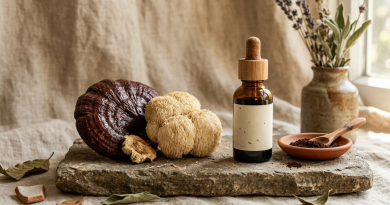

Cannabidiol Tea and Hemp Tea: The Calm-Down Ritual
There’s something about a warm mug in your hands at the end of the day that a gummy just doesn’t replicate. Cannabidiol tea, hemp tea infused with CBD, is one of the more underrated ways to build a calm-down ritual, and it’s worth understanding before you buy a box.
What Is Cannabidiol Tea?
Cannabidiol tea, or hemp tea, is an herbal tea made by steeping CBD-rich hemp flower (or hemp leaf) in hot water, the same way you’d brew chamomile or mint. Quality matters here: whole-plant hemp flower steeped properly is a different product from flavored water with CBD sprayed on top after the fact, and the label usually tells you which one you’re holding.
Is It Actually Effective, or Just Fancy Chamomile?
Somewhere in between, honestly. Tea is a slower, gentler delivery method than a gummy, both because of how CBD is absorbed through hot water and because the ritual itself, the boiling water, the steeping, the quiet ten minutes, is doing some of the calming work before the CBD ever kicks in. If you’re expecting a gummy’s more noticeable effect, tea will probably feel underwhelming. If you’re looking for a wind-down habit more than a strong effect, it tends to land better.
How to Brew It
A few basics make a real difference in how a cup turns out:
- Water temperature — just off the boil, not a rolling boil, which can be harsh on delicate plant material.
- Steep time — longer than a standard tea, usually 8 to 10 minutes, to fully extract the cannabinoids.
- A little fat — a splash of milk, oat milk, or even a pat of butter can help with absorption, since cannabinoids bind to fat more easily than water.
Morning vs. Evening: Timing the Ritual
Some moms build cannabidiol tea into a morning routine, a calm anchor before the day gets loud. Others save it for evening, using the ritual to start winding down before bed rather than reaching for a second glass of wine. Neither is more “correct” — it depends on what part of your day actually needs the pause.
How CBD Tea Compares to Gummies or Tinctures
Tea tends to be gentler and slower than a gummy or tincture, with a longer runway before you feel anything and a milder overall effect. That’s a feature for some moms (less intense, more ritual) and a drawback for others (if you want something more noticeable, tea might not be enough on its own).
The Honest Pros and Cons
What hemp tea does well: it’s gentle, it’s a built-in ritual rather than just a product, and it’s an easy substitute for an evening glass of wine. Where it falls short: the effect is mild, onset is slow, and if you’re looking for something stronger or faster, this probably isn’t it.
Frequently Asked Questions
How long does it take for CBD tea to work?
Generally 30 to 60 minutes, slower than a gummy, with a gentler, more gradual effect rather than a noticeable peak.
How is hemp tea different from regular herbal tea?
Regular herbal tea has no cannabinoids; hemp tea is brewed specifically from CBD-rich hemp flower or leaf, which is what delivers the CBD.
Is hemp tea safe during pregnancy or while breastfeeding?
This is a conversation to have with your OB or pediatrician before trying it — health authorities generally advise caution with cannabinoids during pregnancy and breastfeeding, and a tea is no exception just because it feels gentle.
Can cannabidiol tea help with anxiety?
Some moms find the ritual and the mild CBD effect calming, but tea isn’t a treatment for anxiety and shouldn’t replace therapy or medical care if what you’re feeling is persistent rather than an occasional rough day.
Will hemp tea show up on a drug test?
It’s possible, especially with regular use, since hemp products can contain trace THC even within the legal limit. Worth factoring in if drug testing is a concern.
The Bottom Line
Cannabidiol tea isn’t going to knock anything out, and that’s kind of the point — it’s a slow, gentle ritual more than a strong effect. If you want to build an evening wind-down habit that doesn’t involve wine, it’s worth trying. Society’s Plant makes a few hemp tea blends, third-party tested, if you want a place to start, but the brewing and timing advice above applies to whatever tea ends up in your cabinet.